In normal weather conditions the drainage system may appear to be functioning well. But a stormy day can reveal weaknesses in the property’s infrastructure. Parking lots are flooded. Detention ponds flood too fast. Access roads are risky. Lower-lying areas can begin to accumulate water. The issue in a lot of cases is not simply rain. In a lot of cases there is more to the issue than just rain.
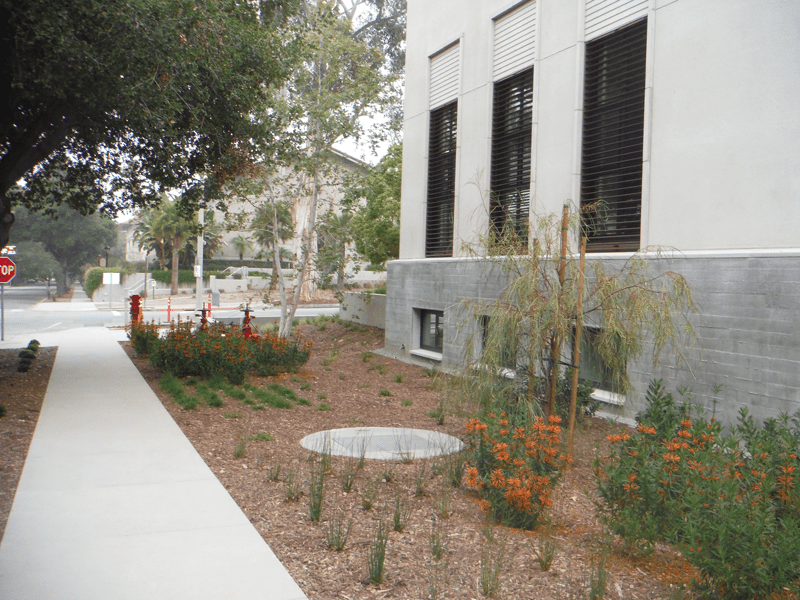
A stormwater lift station becomes essential. They are constructed to pump stormwater out of areas where rainwater naturally accumulates, thereby protecting buildings, roads, utilities, and outdoor areas. Lift stations are the most important element of any project, whether they are industrial, municipal commercial or residential. They are essential for keeping a site operational both during and after storms.
Stormwater management has to be planned in accordance with the location.
Every property handles runoff in a unique way. Retail centers with huge parking areas with paved surfaces behaves in a different way from residential subdivisions. None of these properties will need the attention that a industrial site or municipal drainage project might. Stormwater management systems are designed using a variety aspects, such as the flow rate, elevations at the site, detention requirements and discharge requirements.
Romtec Utilities doesn’t treat stormwater pumping as a standard feature of a package. Each system’s structure is based on the particular pumping needs of each location. This could include: limit flooding, drain a pond or pool, control the runoff of a property that is developed and support a bigger municipal network and more. The right solution depends on how much water has to be transported, how fast it must move and where it should go.
Stormwater runoff pumps are much more than just a single pump inside a vault
It requires more than just high-powered equipment to construct a reliable runoff pumping station. It functions as an entire system that integrates structural, electrical, mechanical, and control components seamlessly to handle stormwater volumes effectively and effectively. For the station to perform efficiently throughout its life, it is important that all the critical elements work together. This includes precise pump sizing and strategic wet-well design, advanced controls, durable pipeline systems, a resilient power systems monitoring in real-time, as well as sturdy pipelines.
This level of total system integration is exactly why the best stromwater system designers stand out from the competition. An exceptional design does not simply fix an immediate drainage problem; it requires an active, long-term strategy. Top-tier engineers actively consider the ease of maintaining long-term as well as the future requirements for the site and the maximum efficiency of operations. The entire system has to be designed to withstand harsh conditions in the real world and not rely on false assumptions.
The meticulous planning process is crucial when you’re dealing with the flood waters of torrential nature or creating high-pressure municipal networks such as clean water booster pump stations, where system failure cannot be a viable option. Romtec Utilities designs stormwater systems keeping these practical requirements in mind. The pump stations created by Romtec Utilities are suitable to a variety of uses. Owners can also benefit from assistance with starting up, staff training, and documentation.
Better planning creates better flood protection
A well-designed stormwater pumping station can help reduce flooding risks and improve the usability of the site and shield nearby buildings from damage caused by water. Pump stations can improve a site’s resilience by ensuring that runoff from the heavy rain is dealt with efficiently and quickly.
It’s easy to forget about stormwater infrastructure until it breaks down. A reliable stormwater lift station can be one of the most vital investments a property owner, municipality, or developer can make if runoff has to be controlled actively rather than in a passive manner. With the right design and backing, a reliable stormwater management system keeps the site safe and more efficient, as well as better prepared for the realities of changing weather.