A pump station might seem like a straightforward utility structure from the outside, but in practice, no two projects are exactly the same. In one instance, wastewater might have to be moved uphill to accommodate a new housing project. Another site might need to maintain pressure on commercial property that is in a state of change. It is dependent on whether the development is municipal, industrial, or private, each site has specific specifications for design, regulations, as well as long-term operational expectations.
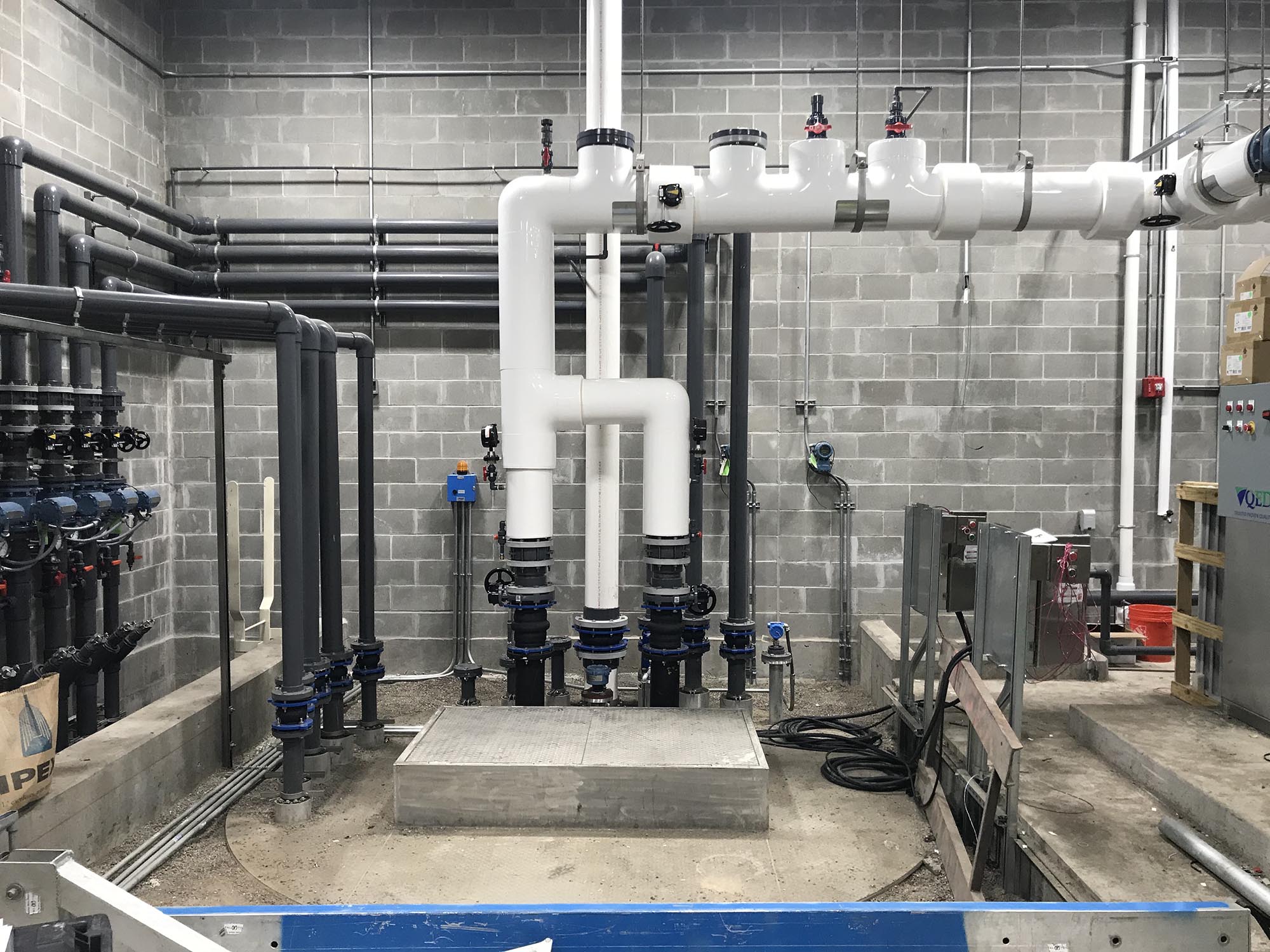
Pumping systems can’t be viewed with an all-inclusive approach. A successful station requires a thorough understanding of the specifics of the area. This includes the rate of flow, the requirements for ownership as well as the future of any property it will serve. Romtec Utilities takes this perspective and design each pumping systems to satisfy the unique requirements of the project instead of forcing it be a part of a general system.
A successful pumping plan involves more than just the act of moving water
Pumping stations are made to transfer water and wastewater in instances where gravity is not enough. It’s not enough to design a system which simply works. It has to be efficient and reliable, simple to use, and compliant with local and state requirements. It must work in real life, not just on paper.
This includes everything from structural designs and wet-well sizing, to electronic systems, communications equipment and access for maintenance teams. Even if one of these elements is not properly planned the system could create issues with operation for a long time. This is the reason that engineers and owners are eager to collaborate with the most skilled designers of lift stations. When you’re trying to balance the budget, constraints on site in addition to hydraulic performance and longevity at the same expertise is crucial.
Romtec Utilities combines these disciplines in one place. It manages the structural, mechanical and electrical elements of the station in a comprehensive system, so customers don’t have to coordinate different vendors. The single source solution will save time during the design stage, decrease confusion during procurement and smooth out the installation.
Correctly designed Packaged pumping systems are easier to design.
A package pumping system is able to simplify infrastructure projects since it integrates the most important components into a single solution. The most important thing is how the package is engineered. Systems that are not designed to be compatible can lead to issues with performance, over-sized equipment unneeded maintenance expenses or even longer-term issues.
Romtec Utilities approaches each package as a completely engineered system instead of a typical catalog product. That means selecting the right pumps, controls, valves as well as enclosure options based on real needs of the site. Also, it is important to think about how the system will be monitored, how users will be able to access it, and how it can be maintained efficiently as time passes. In the case of utility infrastructure, careful coordination from the beginning of the design phase usually prevents bigger problems later on.
Booster pumps resolve a completely different kind of infrastructure problem
It’s not the case that every project requires wastewater. In a lot of projects, maintaining the pressure of water can be the same as removing water. In this instance booster pump stations are vital. They are specifically designed to allow water to flow efficiently through a system, even when pressure is low due to elevation changes, lengthy pipes, or the high demand.
Booster systems typically require a different type of design approach due to the fact that they can contain control buildings, variable frequency drives, SCADA integration, telemetry, and architectural considerations depending on the particular site. Romtec Utilities designs the stations by using the same approach that wastewater systems do to ensure the end result is both functional and operational.
A better plan leads to higher performance in the long run
One of the most effective elements of the Romtec Utilities process is the early design support that it offers customers. Engineering and design assistance in the beginning enable project teams to know the probable extent, design and costs of a system before getting too far into the procurement process or construction. This is a major benefit for consultants and public agencies, and developers who are trying to maintain projects within budget and on time.
A well-planned design is the key to achieving success. A good design team will be more than merely supplying equipment. They can help create a solution that is secure that is suitable for the site and the needs of the owner, and lasts over time.
The most efficient systems for utility operate are the ones that aren’t noticed by the public. think about because they work. This kind of dependability does not happen by chance. It is the result from an enlightened engineering approach, effective coordination and an understanding of how to design each system according to what is needed by the project.