The method by which digital content is produced is rapidly changing and video is at the heart of that transformation. AI video generation models are able to do in minutes what once involved complex software, a lengthy production times, and specialist know-how. These systems are not just automating video creation they are altering how static images transform into engaging and moving stories.
In the forefront of this evolution is Akool which is a technology that shows how far the modern AI-driven creative process has evolved.
From Static Images to Live Visuals
Traditional video production starts with footage. A workflow powered by AI that is advanced starts with an image. The Akool model converts static photos, illustrations or design assets into videos that are visually coherent and feel natural. Instead of applying generic animations, this model incorporates depth, motion, and texture in a manner that maintains the integrity of the image.
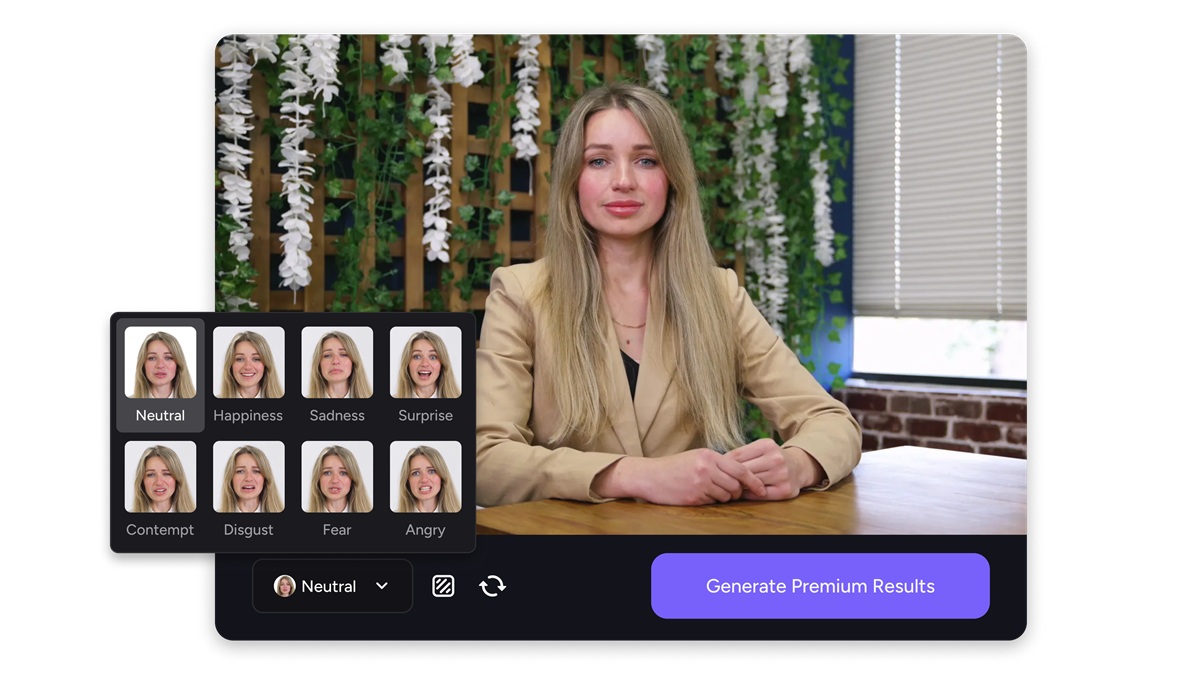
Image credit: akool.com
This is an especially beneficial feature for teams that have large libraries of images. You can repurpose product photos, artwork, brand visuals and other images into engaging videos without the need to shoot from scratch. This helps save time and money as well as increasing the creative output of your company.
Fine Motion to Create Cinematic Effects
One of the main characteristics of a truly professional AI video model is its control. Random motion can sometimes break the immersion. Advanced systems allow creators to regulate how the elements in the frame move within the context of speed as well as direction and the trajectory, which results in smoother, cinematic output.
Creators can use precision motion controls to create characters and camera movements that are more natural than the automated. AI-generated video is easily used in professional marketing strategies and storytelling formats.
Faster without Sacrificing the Quality
Speed is usually associated with compromise, however modern AI systems debunk that idea. An advanced AI video generator can produce high-resolution clips in seconds while maintaining sharpness, color accuracy, and visual stability. This balance between efficiency and quality is the main reason why AI video production practical for real-world use.
It is crucial to speed up the process for social media and marketing environments, where trends develop rapidly. Creators and brands gain a competitive edge by being able to test ideas and alter the visuals swiftly, as well in publishing content.
Trust is built on consistency
Consistency is one of the major challenges when it comes to AI video creation. This is especially the case when it comes to characters or people. The Akool AI model addresses this issue by keeping facial identity, expressions and overall alignment of characters throughout the video. This continuity produces more believable videos, and helps to stop the visual drift that frequently ruins viewer’s engagement.
For instances such as brand ambassadors, spokesperson visuals or educational content, the consistency is vital. Visuals that are stable and have a human feel will allow viewers to be able to connect and feel secure.
Real-World Workflows designed
AI video tools work best when they are seamlessly integrated in creative workflows. The simplicity of the image-to-video models designed for professional use is valued over the power. The user-friendly interfaces, fast rendering and the compatibility with content pipelines makes it easy for teams to use AI video production without requiring extensive retraining.
Beyond individual creators, these systems support collaboration and inspire. Users can explore shared examples as well as learn about innovative techniques and stretch their creative boundaries using community-driven ecosystems.
A New Standard for Visual Storytelling
AI video generation has evolved beyond being an interesting concept. It’s now a tool that is employed to create contemporary content. AI models today have the ability to enhance existing assets, by combining realism and speed, as well as allowing creative control.
As AI is evolving tools like Akool’s video model show a wider shift towards greater efficiency and accessibility to video production. The future of visual storytelling is not just about creating motion. It is about empowering creators to turn ideas into engaging experiences faster and more efficiently than they have ever.